The journey from grain to glass is a fascinating process that transforms simple ingredients into exquisite spirits. Understanding this journey not only enhances our appreciation for the final product but also connects us to the craftsmanship behind it. In this blog post, we will explore the intricate steps involved in distillation, the importance of quality ingredients, and how each phase contributes to the unique character of the spirits we enjoy.
The Foundation: Selecting Quality Grains
The first step in our distillation journey begins with selecting the right grains. The choice of grain significantly influences the flavor profile of the final spirit. Common grains used in distillation include:
- Barley: Often used in whiskey production, barley adds a rich, malty flavor.
- Corn: A staple in bourbon, corn provides sweetness and a smooth finish.
- Rye: Known for its spicy notes, rye is essential in many traditional whiskey recipes.
- Wheat: Used in some vodkas and whiskeys, wheat contributes a softer, creamier texture.
Choosing high-quality grains is crucial. We source our grains from local farmers who practice sustainable agriculture, ensuring that we use the best ingredients available. This commitment to quality is the foundation of our distillation process.
The Malting Process
Once the grains are selected, the next step is malting. This process involves soaking the grains in water to encourage germination. During germination, enzymes are activated that convert starches into fermentable sugars. After a few days, the germinated grains are dried in a kiln, halting the germination process.
Why Malting Matters
Malting is essential for developing the flavors and aromas in the final spirit. For example, different kilning temperatures can produce varying flavor profiles. A lighter kilning may yield a more delicate spirit, while a darker kilning can impart richer, toasted flavors.
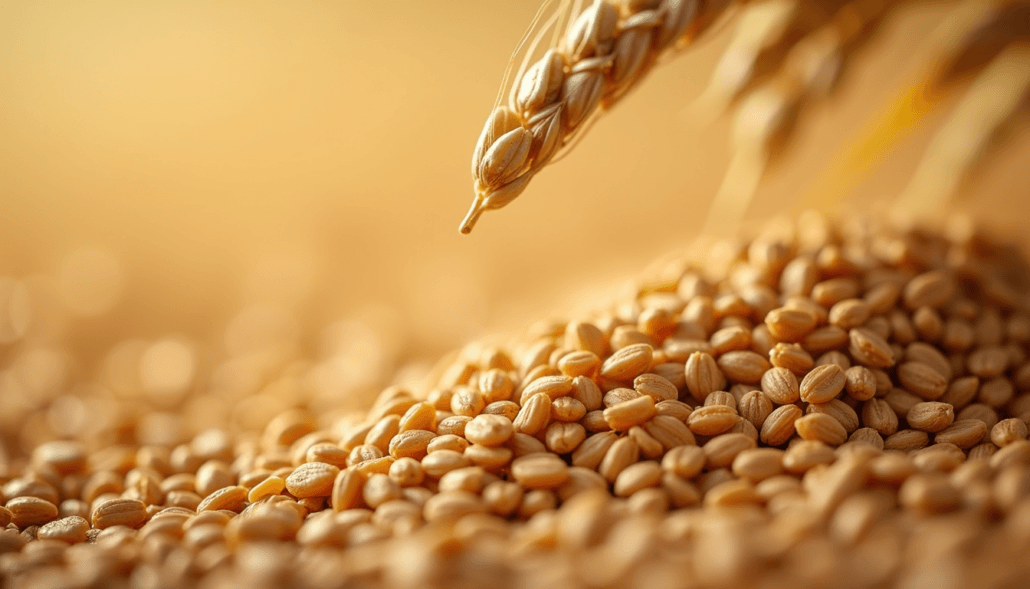
Malted barley grains ready for distillation
Mashing: Extracting Sugars
After malting, the next step is mashing. The dried malted grains are ground into a coarse powder known as grist. This grist is then mixed with hot water in a mash tun. The heat activates the enzymes, converting the remaining starches into sugars.
The Mashing Process
- Temperature Control: Maintaining the right temperature is crucial. Typically, the mash is held at around 150°F (65°C) for about an hour.
- Stirring: Regular stirring helps ensure that all the grains are fully saturated and that the enzymes can work effectively.
The result is a sweet liquid known as wort, which is rich in sugars and ready for fermentation.
Fermentation: Turning Sugar into Alcohol
Fermentation is the magical process where yeast converts the sugars in the wort into alcohol and carbon dioxide. This step is vital for developing the spirit’s character.
The Fermentation Process
- Yeast Selection: Different strains of yeast can produce varying flavors. For instance, ale yeast might impart fruity notes, while champagne yeast can create a cleaner finish.
- Fermentation Duration: This process typically lasts from a few days to a week, depending on the desired flavor profile.
The end product of fermentation is a liquid known as “wash,” which contains about 6-8% alcohol by volume (ABV).
Distillation: The Heart of the Process
Distillation is where the magic truly happens. This process involves heating the wash to separate the alcohol from the water and other components.
Types of Distillation
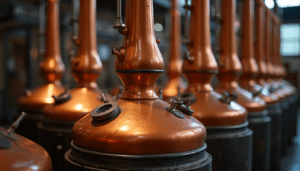
- Pot Still Distillation: This traditional method involves batch distillation in a pot still. It is often used for whiskey and rum, allowing for a richer flavor profile.
- Column Still Distillation: Also known as continuous distillation, this method is more efficient and is commonly used for vodka and gin. It allows for higher purity and a cleaner spirit.
The Distillation Process
- First Distillation: The wash is heated, and the alcohol vapor rises through the still. The vapor is then cooled and condensed back into liquid form.
- Second Distillation: This step further purifies the spirit, concentrating the flavors and increasing the alcohol content.
- The result is a clear liquid known as “new make spirit,” which is typically around 60-70% ABV.
Aging: Developing Complexity
While some spirits, like vodka, are bottled immediately after distillation, others require aging to develop their flavors. Aging takes place in wooden barrels, which impart unique characteristics to the spirit.
The Aging Process
- Barrel Selection: The type of wood and previous contents of the barrel (e.g., bourbon, sherry) can significantly influence the flavor.
- Environmental Factors: Temperature and humidity play a crucial role in how the spirit interacts with the wood.
Aging can last anywhere from a few months to several years, allowing the spirit to develop complexity and depth.
Bottling: The Final Touch
Once the spirit has reached its desired age, it is time for bottling. Before bottling, the spirit may be filtered to remove any impurities.
The Bottling Process
- Dilution: Many spirits are diluted with water to achieve the desired ABV. This step is crucial for balancing flavors.
- Labeling: Each bottle is labeled with information about the spirit, including its origin, age, and tasting notes.
The final product is now ready to be enjoyed, showcasing the journey from grain to glass.
Conclusion: The Art of Distillation
The journey from grain to glass is a complex and fascinating process that requires skill, patience, and a deep understanding of the ingredients. Each step, from selecting quality grains to the final bottling, contributes to the unique character of the spirit.
By appreciating this journey, we can better understand and enjoy the spirits we love. Next time you pour a glass, take a moment to reflect on the craftsmanship and dedication that went into creating it. Cheers to the art of distillation!