At Fog’s End Distillery, the art of crafting spirits is a meticulous process that combines tradition with innovation. From the selection of raw ingredients to the final bottling, every step is crucial in creating high-quality spirits that delight the senses. In this blog post, we will take you behind the scenes to explore the intricate distillation process, the importance of sourcing local ingredients, and the passion that drives our team.
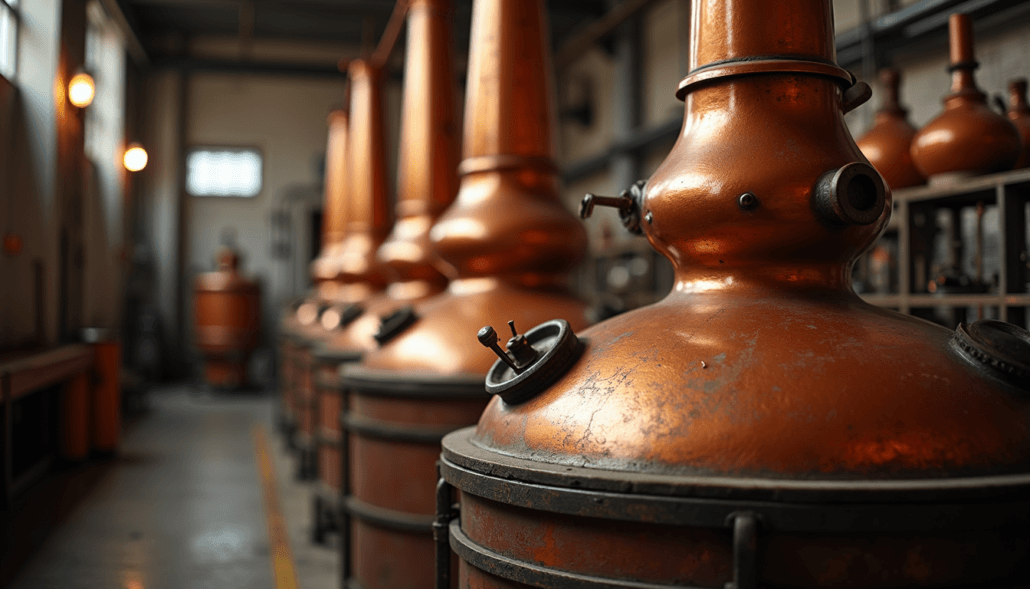
A copper pot still used for distilling spirits in a local distillery.
Understanding Distillation
Distillation is the process of separating components of a liquid mixture based on differences in their boiling points. This technique has been used for centuries to produce various alcoholic beverages, including whiskey, gin, vodka, and rum.
The Basics of Distillation
- Fermentation: The journey begins with fermentation, where sugars from grains, fruits, or other sources are converted into alcohol by yeast. This process creates a liquid known as “wash” or “mash.”
- Heating: The wash is then heated in a still. As the temperature rises, alcohol evaporates first due to its lower boiling point compared to water.
- Condensation: The alcohol vapors are collected and cooled, condensing back into liquid form. This liquid is known as “distillate.”
- Aging: Depending on the spirit, the distillate may be aged in barrels to develop flavors and complexity.
Types of Distillation
- Pot Still Distillation: Often used for whiskey and rum, this traditional method involves a single distillation process, resulting in a richer flavor profile.
- Column Still Distillation: Commonly used for vodka and gin, this method allows for continuous distillation, producing a higher alcohol content and a cleaner taste.
The Rise of Local Distilleries
In recent years, there has been a significant rise in local distilleries, driven by a growing consumer interest in craft spirits. These small producers focus on quality, flavor, and local ingredients, often creating unique offerings that reflect their region’s character.
Why Local Distilleries Matter
- Support for Local Economies: Local distilleries often source ingredients from nearby farms, supporting local agriculture and creating jobs in the community.
- Unique Flavor Profiles: By using local ingredients, distilleries can create spirits that are distinct to their region. For example, a distillery in the Pacific Northwest might use locally sourced berries to create a unique gin.
- Sustainability: Many local distilleries prioritize sustainable practices, such as using organic ingredients and minimizing waste.
Crafting Unique Spirits
Local distillers are known for their creativity and willingness to experiment. Here are some examples of how they are crafting unique spirits:
Infused Spirits
Infusing spirits with local herbs, fruits, or spices can create exciting flavor combinations. For instance, a distillery might infuse vodka with locally grown jalapeños for a spicy kick or use lavender for a floral note.
Barrel Aging Innovations
While traditional aging methods are still popular, some distilleries are experimenting with different types of barrels. For example, aging whiskey in barrels that previously held wine or rum can impart unique flavors and aromas.
Seasonal Releases
Many local distilleries produce limited-edition spirits that reflect the seasons. A fall release might feature flavors like pumpkin or cinnamon, while a summer release could highlight fresh citrus or berries.
The Distillation Process in Detail
To truly appreciate the art of local distilling, it’s essential to understand the detailed steps involved in the process.
- Sourcing Ingredients:The quality of the final product begins with the ingredients. Local distilleries often prioritize sourcing grains, fruits, and botanicals from nearby farms. This not only supports local agriculture but also ensures freshness.
- Fermentation:Once the ingredients are sourced, they undergo fermentation. This process can take several days to weeks, depending on the type of spirit being produced. Distillers closely monitor the fermentation process to ensure optimal flavor development.
- Distillation:After fermentation, the wash is transferred to the still. Distillers must carefully control the temperature and timing during distillation to achieve the desired flavor profile.
- Proofing:Once distillation is complete, the spirit is often too strong for consumption. Distillers will dilute the spirit with water to reach the desired alcohol content, known as “proofing.”
- Bottling and Labeling:Finally, the spirit is bottled and labeled. Many local distilleries take pride in their packaging, often featuring unique designs that reflect their brand and story.
The Experience of Visiting a Local Distillery
Visiting a local distillery can be an enriching experience. Many distilleries offer tours and tastings, allowing visitors to learn about the distillation process firsthand and sample the products.
What to Expect on a Distillery Tour
- Guided Tours: Most distilleries provide guided tours that walk visitors through the distillation process, from ingredient sourcing to bottling.
- Tastings: After the tour, visitors often have the opportunity to taste various spirits. This is a great way to discover new flavors and find favorites.
- Merchandise: Many distilleries have on-site shops where visitors can purchase bottles, merchandise, and even cocktail kits.
The Future of Local Distilling
As the craft spirits movement continues to grow, local distilleries are poised to play a significant role in the beverage industry. Here are some trends to watch:
- Increased Collaboration: Local distilleries are increasingly collaborating with local breweries, wineries, and farms to create unique products. These partnerships can lead to innovative spirits that highlight the best of the region.
- Focus on Sustainability: Sustainability will continue to be a priority for many local distilleries. This includes using organic ingredients, reducing waste, and implementing eco-friendly practices.
- Education and Community Engagement: As consumers become more interested in craft spirits, local distilleries will likely focus on education and community engagement. This could include hosting workshops, tastings, and events that promote local culture and craftsmanship.
Conclusion
The art of local distilling is a celebration of creativity, tradition, and community. As more people seek out unique and high-quality spirits, local distilleries are stepping up to meet the demand. By supporting these small producers, consumers not only enjoy exceptional beverages but also contribute to the growth of local economies and sustainable practices.
Whether you’re a seasoned spirit enthusiast or a curious newcomer, exploring the world of local distilling offers a rich and rewarding experience. So, the next time you’re looking for a drink, consider reaching for a bottle from a local distillery and savor the craftsmanship behind it.